with the rapid development of internet technology, more and more enterprises choose to deploy their applications in the cloud to improve flexibility and scalability. however, when connecting to hong kong's serverless architecture using tencent network card, users often encounter problems such as network latency and unstable connections. this article will explore in-depth solutions to this situation to help users optimize network performance and improve user experience.
1. understand the basic concepts of tencent network card
tencent network card is a network connection tool launched by tencent, which is mainly used to provide stable and efficient network connection services. its features include high bandwidth, low latency and reliability, which are suitable for various network application scenarios. when connecting to hong kong serverless, the performance of tencent network cards is particularly important because it directly affects data transmission efficiency and user experience.
2. advantages and challenges of serverless architecture
serverless architecture is a cloud computing model that allows developers to focus on code writing and business logic instead of managing servers. the main advantage of this architecture is that it reduces maintenance costs and improves development efficiency. however, when connecting to a remote server, users may face challenges such as network latency and data security, especially when connecting to hong kong through tencent network cards.
3. optimize the network strategy for tencent network card connection
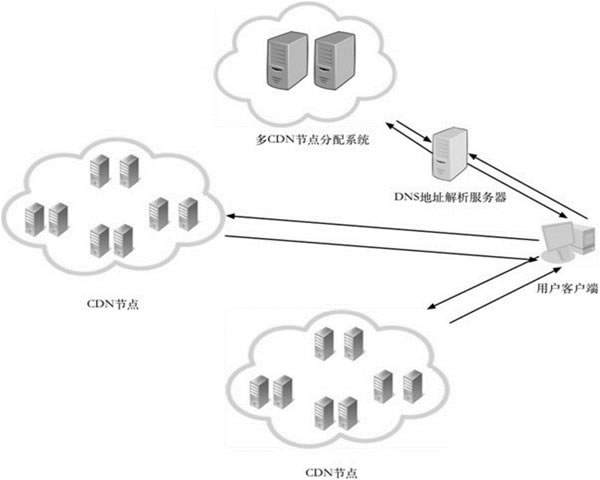
in order to optimize the connection between tencent network card and hong kong serverless, users can adopt a variety of network strategies. first, choose the right network service provider to ensure the stability and speed of data transmission. secondly, rationally configure network bandwidth to avoid network congestion caused by insufficient bandwidth. in addition, using cdn (content distribution network) can effectively reduce access latency and improve user access speed.
4. monitor and analyze network performance
monitoring network performance is a key step in optimizing tencent network card connections. users can use network monitoring tools to track data transmission in real time and identify potential bottlenecks and problems. by analyzing indicators such as network latency and packet loss rate, users can adjust network configuration in a timely manner to ensure the stability and efficiency of the connection.
5. implementation of data security measures
when using tencent network card to connect to hong kong serverless, data security cannot be ignored. users should take a variety of security measures, such as encrypted transmission, identity authentication, etc., to ensure the security of data during transmission. in addition, regular updates to security policies and tools can effectively resist potential security threats and protect user information from being leaked.
6. adaptive adjustment and continuous optimization
the network environment is dynamically changed, so users need to maintain adaptive adjustments when using tencent network cards and hong kong without servers. regularly evaluate network performance and application requirements, and adjust and optimize according to actual conditions. at the same time, pay attention to the development trends of technology, timely update network architecture and tools, and ensure long-term and efficient operation.
7. summary and suggestions
through the above analysis, we can see that although tencent network card has many challenges to hong kong serverless connection, reasonable optimization strategies and security measures can effectively improve network performance and user experience. it is recommended that when choosing a network service, users should consider factors such as bandwidth, latency, and security, and conduct regular performance monitoring and adjustments to adapt to the changing network environment. ultimately, stable and efficient network connections are achieved to provide strong support for business development.
- Latest articles
- Popular tags
-

Comprehensive Investigation From DNS To Firewall To Determine Why Websites Cannot Be Accessed On Hong Kong Servers
It provides systematic guidance on how to troubleshoot common reasons why websites hosted on Hong Kong servers are inaccessible, from aspects such as DNS, network routing, server services, firewalls, proxies and CDNs, certificates, and logs, along with corresponding solutions. -

Ways To Obtain Hong Kong Native Ip And Recommended Services
this article details the ways to obtain hong kong native ip and recommended services to help users choose a suitable ip acquisition method. -

Enterprise Migration Decision-making Tools Help Determine Whether Hong Kong BGP Is Better Or CN2
This article explains how to use enterprise migration decision-making tools to evaluate the differences between Hong Kong BGP and CN2 networks, comparing latency, packet loss, stability, compliance, and scalability, and provides practical recommendations for making decisions on cross-border business migrations.